
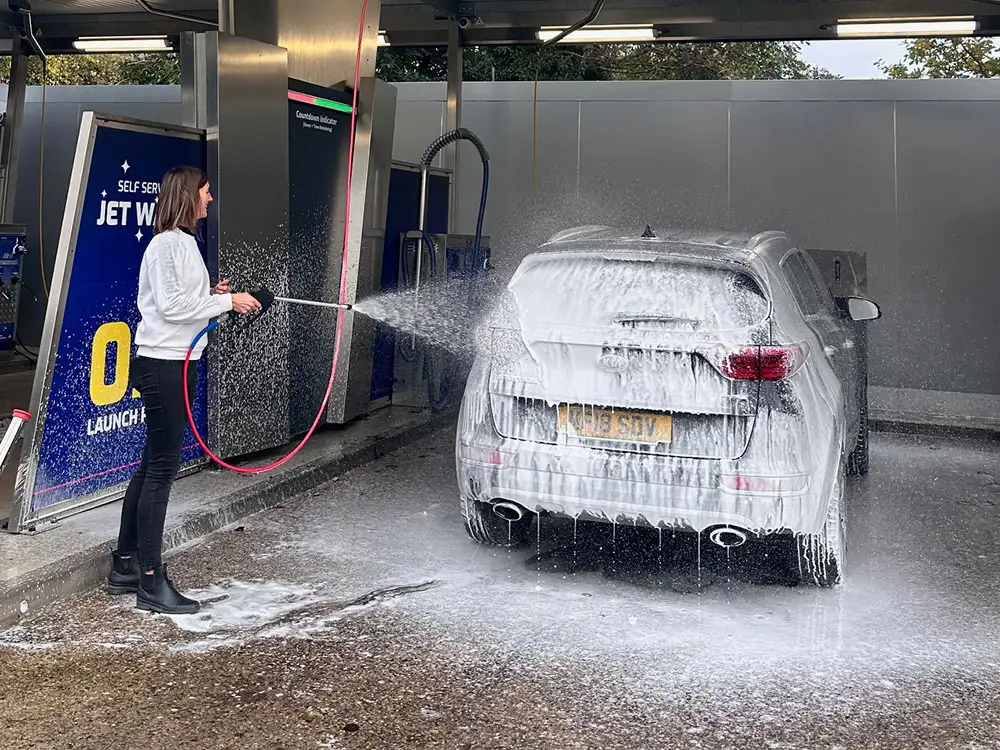
A £600K state-of-the-art unique valeting centre called ‘Planet Wash’ has opened in York.
It’s the only one of its kind in the North of England and people who cherish their car are travelling for miles to use it, says owner Graham Kennedy.
The new six-bay jet wash facility has opened at Inner Space Stations on Hull Road – after a ‘near disastrous’ fire destroyed the previous equipment.Engaging Introductions: Capturing Your Audience’s Interest
Travelling long distances for car washes may seem like a minor inconvenience, but the environmental impact is far from trivial. Many drivers in the UK are covering significant miles to access premium car wash facilities, which leads to a host of ecological issues. This behaviour not only affects fuel consumption but also contributes to increased CO2 emissions, higher water usage, and greater chemical runoff. In this report, I will delve into the ecological damage caused by this practice and compare it to the benefits of using local, eco-friendly community cleaning services like Dekarb.
Ecological Impact of Long-Distance Car Wash Travel

Increased CO2 Emissions
The average passenger car in the UK emits about 400 grams of CO2 per mile. For family cars covering extra distances just to reach a car wash, this results in a substantial rise in greenhouse gas emissions. If a car travels an additional 10 miles to a car wash and back, it emits around 8 kilograms of CO2 for a single trip. Repeated visits compound this impact, contributing to the UK’s transport emissions, which accounted for 52% of the country’s CO2 output in 2020.
Fuel Consumption and Cost
Driving longer distances increases fuel consumption, which not only raises operating costs for consumers but also puts a strain on natural resources. On average, a gasoline car in the UK has a fuel economy of 22.2 miles per gallon, consuming roughly 0.45 gallons for a 10-mile round trip. With fuel prices fluctuating and the average cost of petrol in the UK around £1.55 per litre, these trips can quickly become costly for both wallets and the environment.
Water Usage and Chemical Pollution
Traditional car washes can use between 100 to 150 litres of water per wash, leading to significant water consumption. Additionally, many car washes rely on harsh chemicals to achieve a thorough clean, resulting in chemical runoff that can pollute local waterways. These pollutants, including phosphates and surfactants, can damage aquatic ecosystems and contribute to water pollution.
Why Choose Local Eco-Friendly Solutions Like Dekarb?
Unlike traditional car washes, Dekarb’s community cleaning model significantly reduces environmental impact:
- Water Conservation
Dekarb steam technology uses as little as 5 litres of water per wash, reducing water consumption by up to 95% compared to traditional methods.
- Reduced Emissions
Local, community-based cleaning services minimise travel distances, cutting down on CO2 emissions and fuel consumption. Choosing a local provider means fewer long-distance trips and a smaller carbon footprint.
- Chemical-Free Cleaning
Dekarb utilises chemical-free steam cleaning, eliminating the risk of harmful runoff and contributing to a healthier local environment. This aligns with the growing demand for sustainable and eco-friendly services among environmentally conscious car owners.
The habit of travelling long distances for standard car wash self-cleaning booth service has a hidden environmental cost that can be mitigated by supporting local, sustainable alternatives. By choosing Dekarb’s community cleaning services, drivers can contribute to a greener future, save on fuel costs, and reduce their overall ecological impact. Opt for an eco-friendly car wash service near you every small change makes a difference.
For a cleaner car and a healthier planet, consider a local Dekarb community cleaner and be part of the sustainable movement.